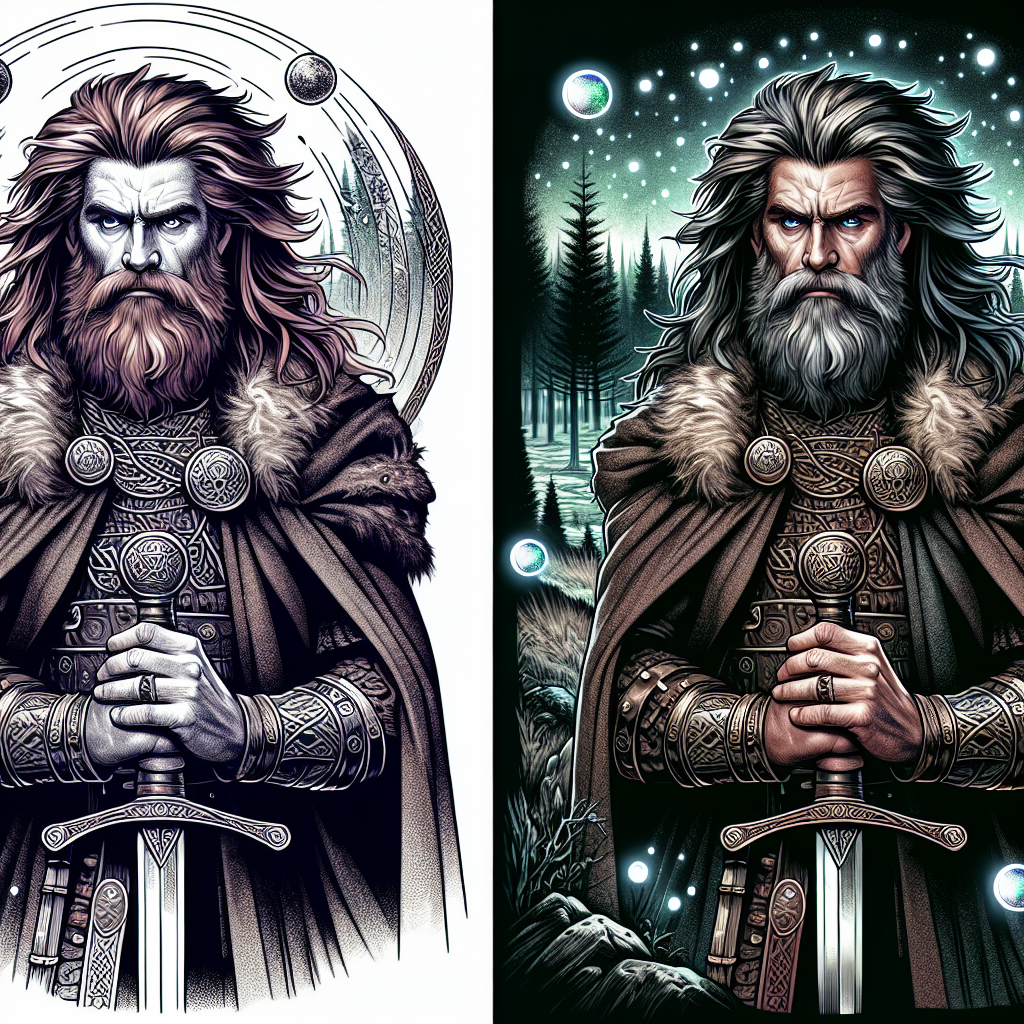
Conall Gulban is a notable figure in Celtic mythology, particularly within Scottish and Manx traditions. His story reflects the rich tapestry of heroic narratives that permeate the ancient Celtic world, showcasing themes of bravery, kinship, and the supernatural.
Historical and Mythological Context
Conall Gulban is often associated with the Ulster Cycle, a major body of legend in Irish mythology. His lineage can be traced back to the Éoganachta, a dynasty believed to have roots in the ancient kingdom of Ulster. The stories of Conall are intertwined with the heroic exploits of other legendary characters, such as Cú Chulainn and the tragic tales of the Táin Bó Cúailnge.
Key Historical Context
- Date of Origin: The myths surrounding Conall Gulban likely originated between the 7th and 12th centuries AD, influenced by oral traditions.
- Cultural Influence: These narratives were crucial in shaping the cultural identity of the Irish and Scottish peoples.
Characters in Conall Gulban’s Narrative
Conall Gulban's story features a cast of important characters, each contributing to the rich narrative:
- Conall Gulban: The central hero, known for his valor and prowess in battle.
- Cú Chulainn: A fellow warrior and significant figure in the Ulster Cycle, often portrayed as Conall's ally.
- Queen Medb: The antagonist in the Táin Bó Cúailnge, representing the external threats to Ulster.
Key Motifs
Conall Gulban's tale encapsulates several recurring motifs in Celtic mythology:
- Heroic Valor: Conall embodies the traits of a quintessential hero, engaging in battles and quests that test his courage.
- Kinship and Loyalty: His relationships with other warriors highlight the importance of loyalty and familial bonds in Celtic society.
- Supernatural Elements: Encounters with magical beings and divine interventions are common in his tales, emphasizing the belief in a world inhabited by both mortals and supernatural entities.
Cultural Significance
The stories of Conall Gulban serve multiple purposes in Celtic culture:
- Preservation of History: These myths preserve the history and identity of the Celtic peoples, linking them to their ancestors and heritage.
- Moral Lessons: The narratives often impart moral lessons, emphasizing virtues such as bravery, loyalty, and honor.
- Cultural Identity: Conall’s legacy contributes to the collective identity of the Scottish and Manx people, reinforcing a shared cultural narrative.
Notable Locations
Certain locations are integral to the stories of Conall Gulban, often serving as backdrops to his adventures:
| Location | Significance |
|---|---|
| Emain Macha | The capital of Ulster, a central site in many myths. |
| Cnoc na nGael | A legendary hill associated with battles and supernatural events. |
Conclusion
Conall Gulban stands as a testament to the enduring power of Celtic mythology, particularly within Scottish and Manx traditions. His stories not only entertain but also encapsulate the values and beliefs of a culture deeply connected to its past. Through the lens of Conall's adventures, we gain insight into a world where heroes walked among us, battling both earthly foes and the whims of fate.
References
- MacCana, Proinsias. Celtic Mythology. London: Hamlyn, 1970.
- O'Hagan, John. The Ulster Cycle: A Study of the Heroic Tales. Dublin: Four Courts Press, 1996.
By exploring the life and times of Conall Gulban, we connect with the ancient Celtic world and its rich narrative tradition that continues to inspire and resonate today.

sdf ds fdsf