Introduction
The tale of the Sea Maiden is a captivating narrative steeped in the rich folklore of Scotland and the Isle of Man. This myth intertwines themes of love, transformation, and the supernatural, highlighting the unique relationship between humans and the mystical elements of the sea.
Historical and Mythological Context
The Sea Maiden myth is part of a broader tradition of sea folklore in Celtic culture, particularly in Scotland and the Isle of Man. This tale reflects the significance of the sea in the daily lives of these communities, providing both sustenance and mystery.
Key Locations
- Scotland: Coastal regions like the Hebrides and Orkney, where tales of selkies (seal folk) are prevalent.
- Isle of Man: Known for its rich maritime lore, including stories of sea spirits.
Important Dates
| Period | Significance |
|---|---|
| 6th Century | Earliest references to sea spirits in texts. |
| 18th Century | Revived interest in folklore among collectors. |
Characters
The Sea Maiden
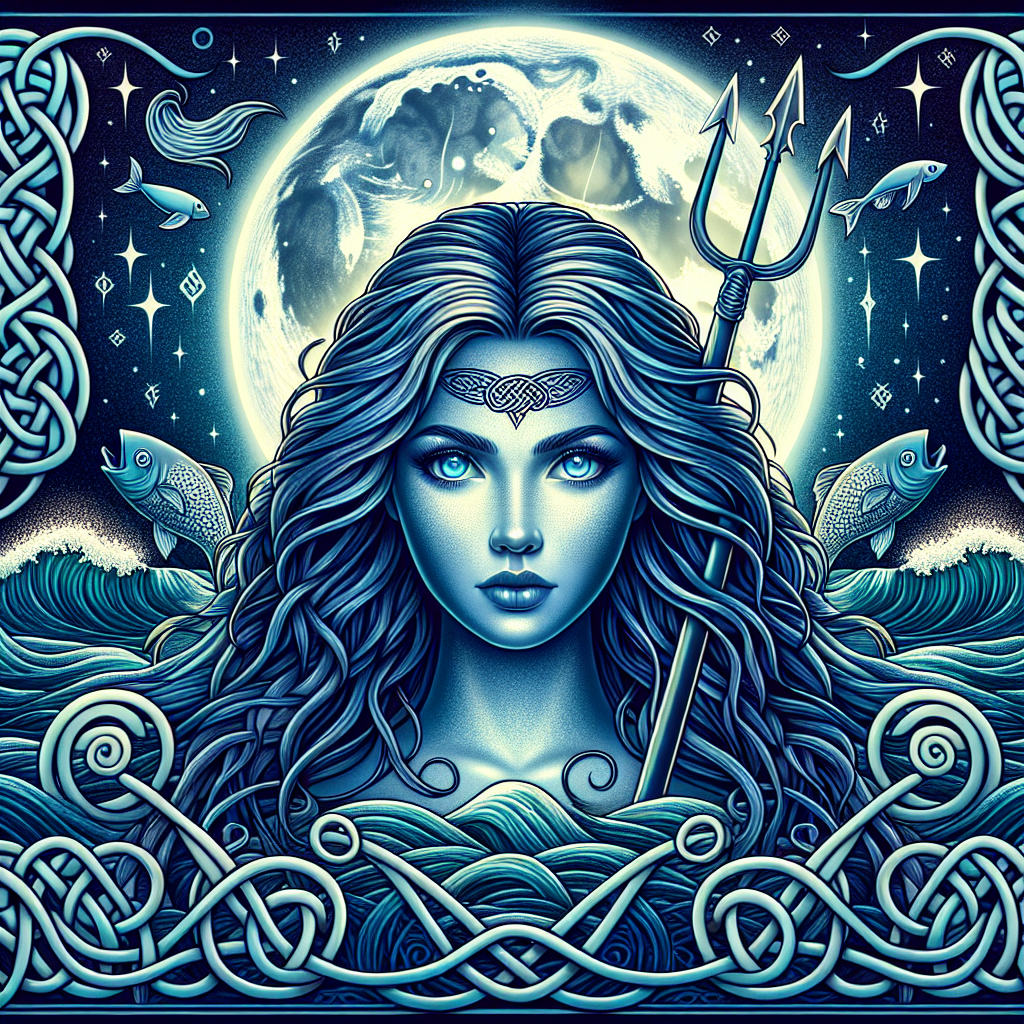
Often depicted as a beautiful, enchanting figure, the Sea Maiden possesses the ability to transform between a human and a sea creature, symbolizing the duality of nature. Her allure draws sailors and fishermen, often leading to both romantic entanglements and dire consequences.
The Fisherman
Typically portrayed as an ordinary man, the fisherman represents humanity's longing for connection with the mystical world. His interactions with the Sea Maiden reveal both the beauty and the peril of such unions.
Other Figures
- Seafarers: Often portrayed as victims or heroes entangled in the Sea Maiden's fate.
- Nature Spirits: Other elemental beings that interact with the Sea Maiden, enhancing the narrative's mystical elements.
Key Motifs
Transformation
The central theme of transformation illustrates the fluidity of identity and existence in Celtic mythology. The Sea Maiden’s ability to change form symbolizes the connection between the human world and the aquatic realm.
Love and Loss
Romantic relationships between humans and sea beings often end in tragedy, reflecting the perilous nature of desire and the consequences of crossing boundaries.
The Sea as a Living Entity
In Celtic lore, the sea is often personified, with tides and currents representing emotions and fate. The Sea Maiden embodies this connection, acting as a bridge between the human experience and the spirit of the ocean.
Cultural Significance
The tale of the Sea Maiden resonates deeply within Scottish and Manx culture, encapsulating the relationship between people and their maritime environment. It reflects fears and fascinations with the ocean, serving as a cautionary tale about the dangers of the unknown.
Influence on Literature and Art
The Sea Maiden has inspired countless works, from poetry to visual arts, emphasizing the enduring nature of this myth. Artists often depict her as a symbol of beauty and danger, capturing the duality of allure and risk.
Modern Interpretations
In contemporary culture, the Sea Maiden continues to appear in various forms, from literature to film, maintaining her status as a powerful symbol of femininity, mystery, and the ocean's vastness.
Conclusion
The Sea Maiden remains a significant figure in Celtic mythology, particularly in Scottish and Manx traditions. Her story encapsulates the timeless themes of love, transformation, and the intricate relationship between humanity and nature. As folklore evolves, the Sea Maiden serves as a reminder of the enduring power of myth and its ability to reflect the complexities of human experience.
Further Reading
- "Celtic Mythology" by Proinsias Mac Cana
- "The Folklore of the Isle of Man" by Michael J. Murphy
By engaging with the tale of the Sea Maiden, one can appreciate the depth and richness of Celtic mythology and its lasting impact on cultural identity.
Be the first to comment!
You must log in or signup to post comments.